Workshop detail header
Workshop notes

Mechanical Bitcoin movement

Build logs, machining experiments, watchmaking notes, and lessons from trying to make a mechanical watch shaped by Bitcoin.

This is the main record of the project: what worked, what failed, what changed, and what I learned along the way.

2025/07/10 16:29 UTC
TLDRThe Train-of-Wheels script just got a significant upgrade: it now assembles everything from wheels to rubies with a single click and fine-tunes rotations for perfect symmetry. The standout? A Bitcoin 10-minute complication that’s ready to tick along blockchain time. Next, the focus shifts to crafting precise carbide bits for ultimate watchmaking precision. 🛠️⌚️
Show more Show less

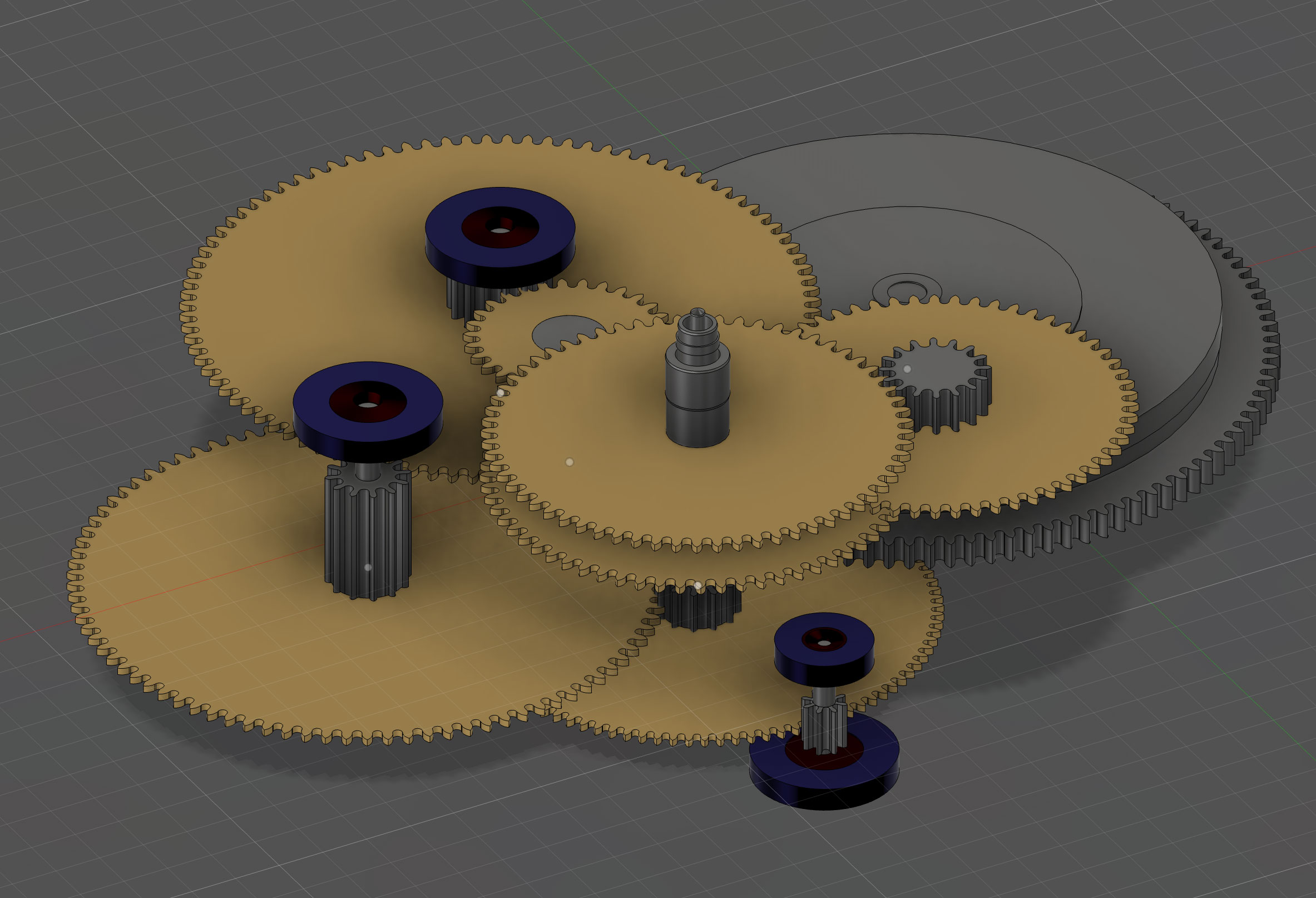
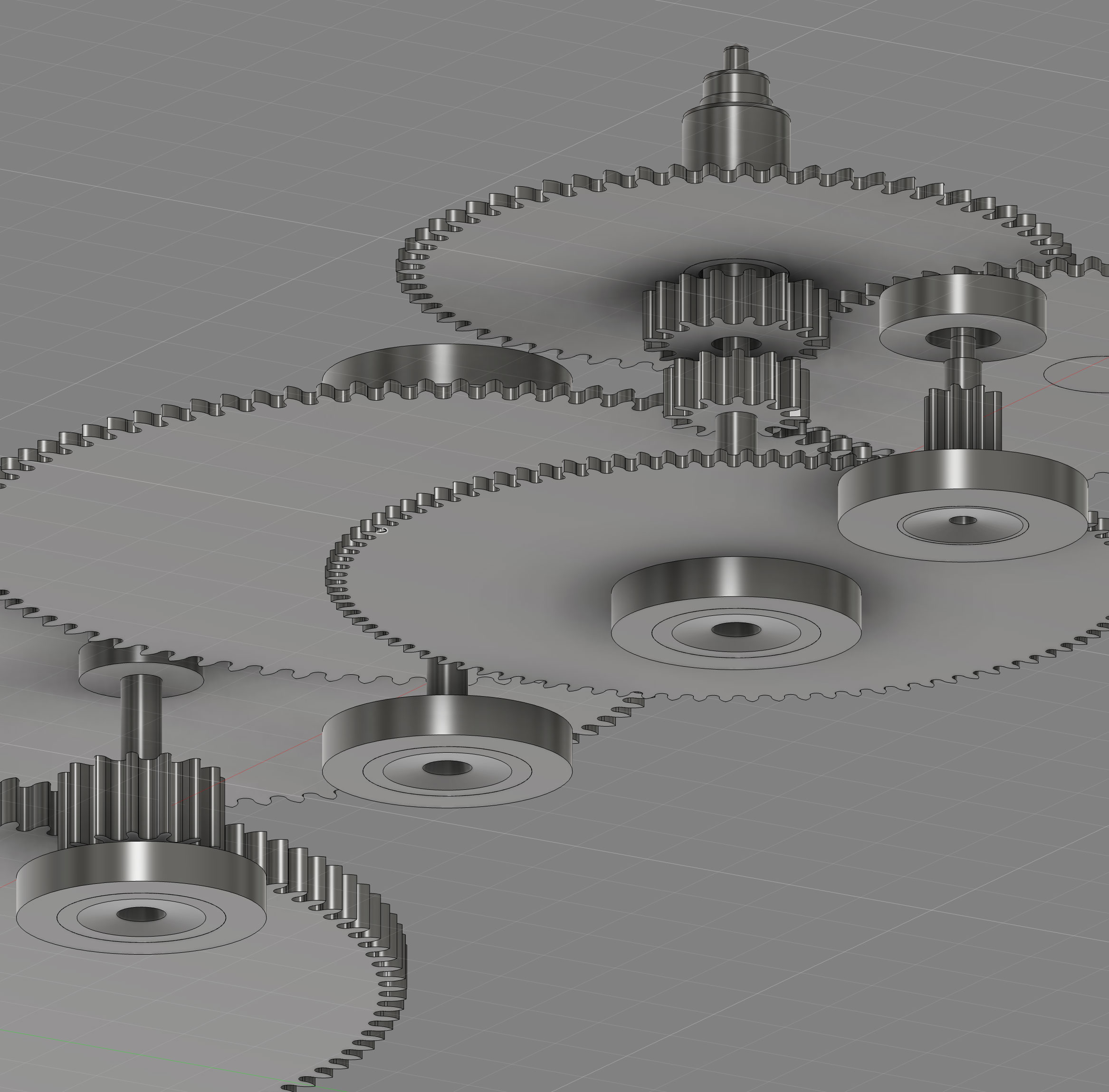
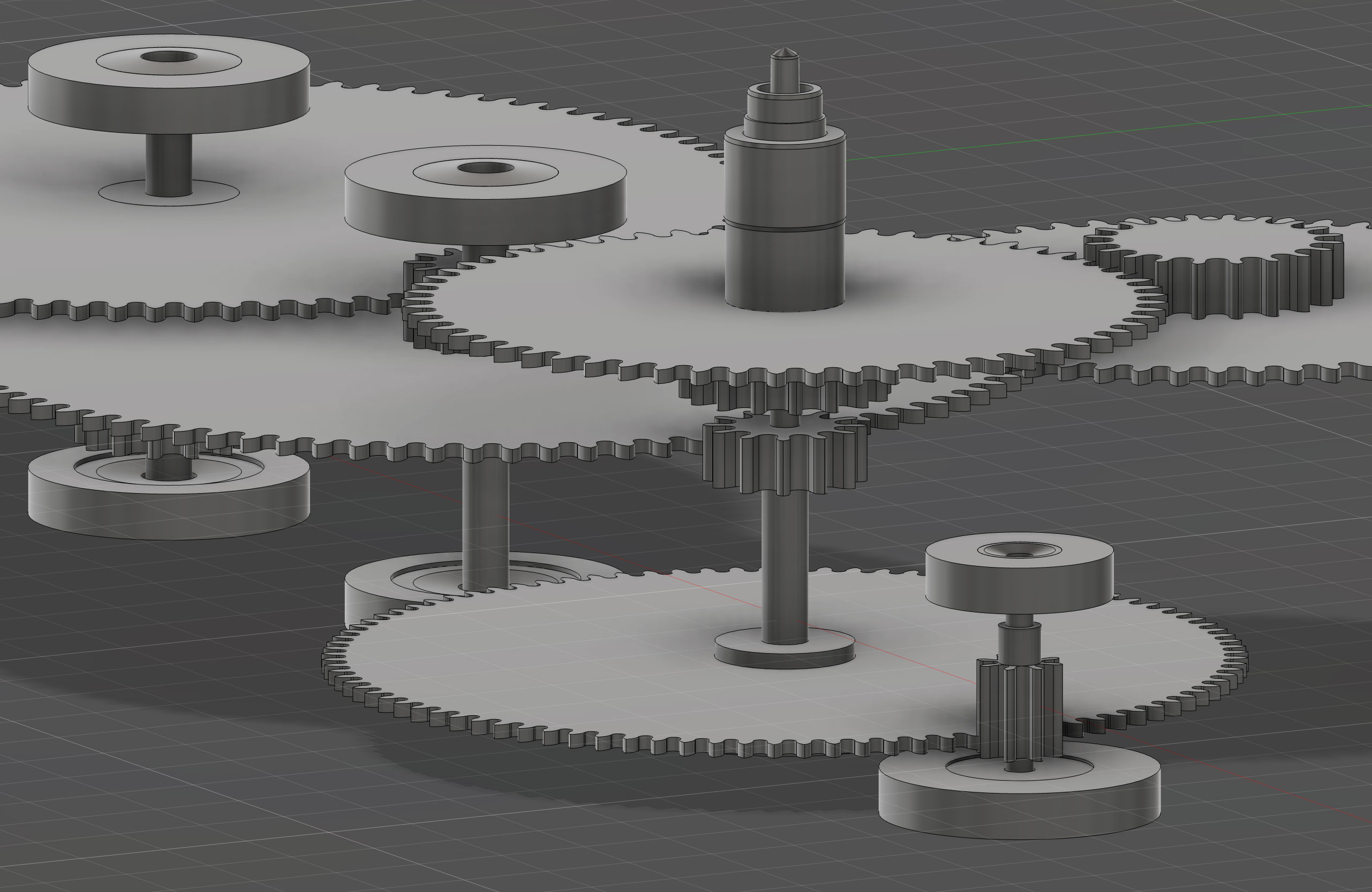
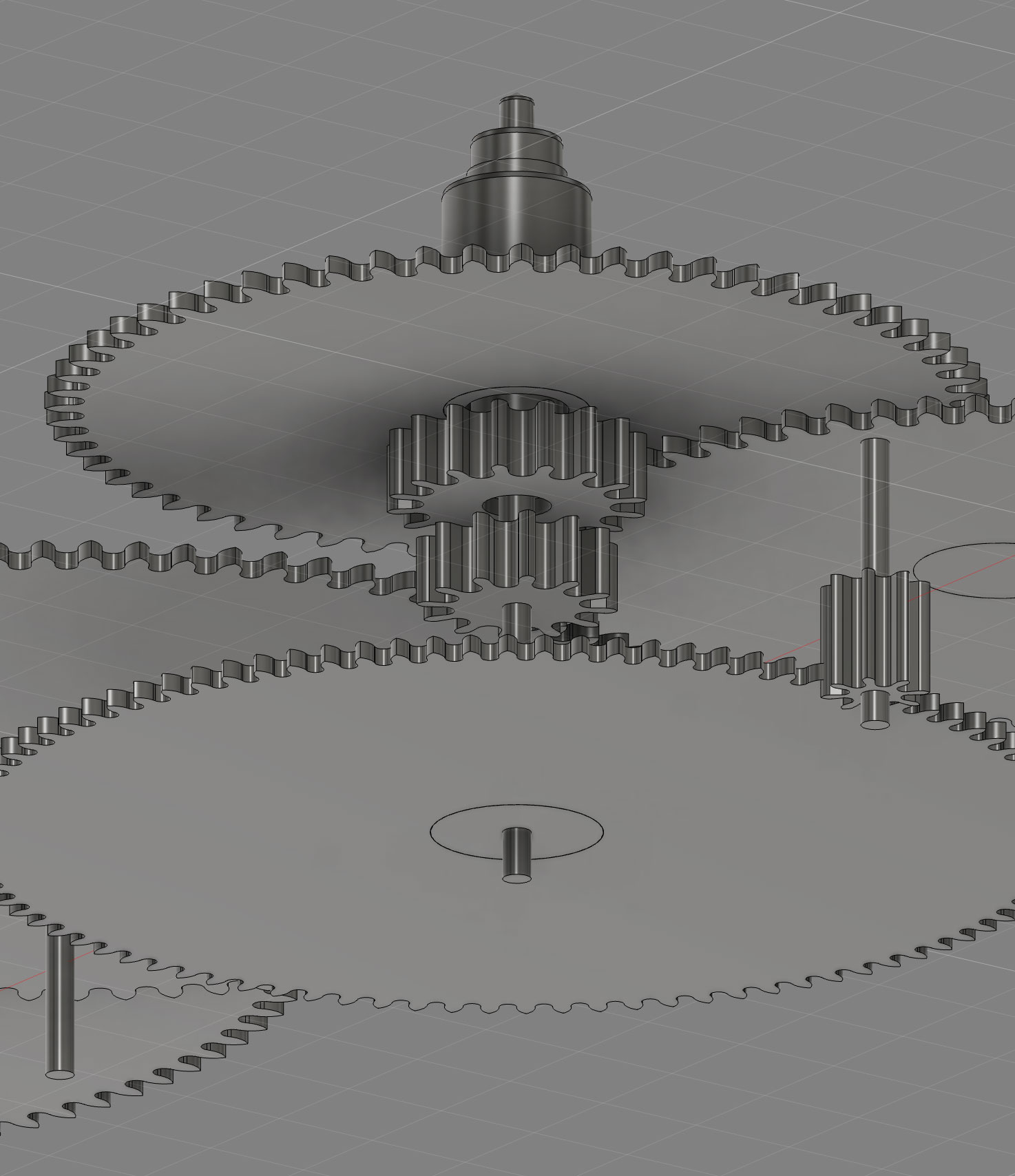
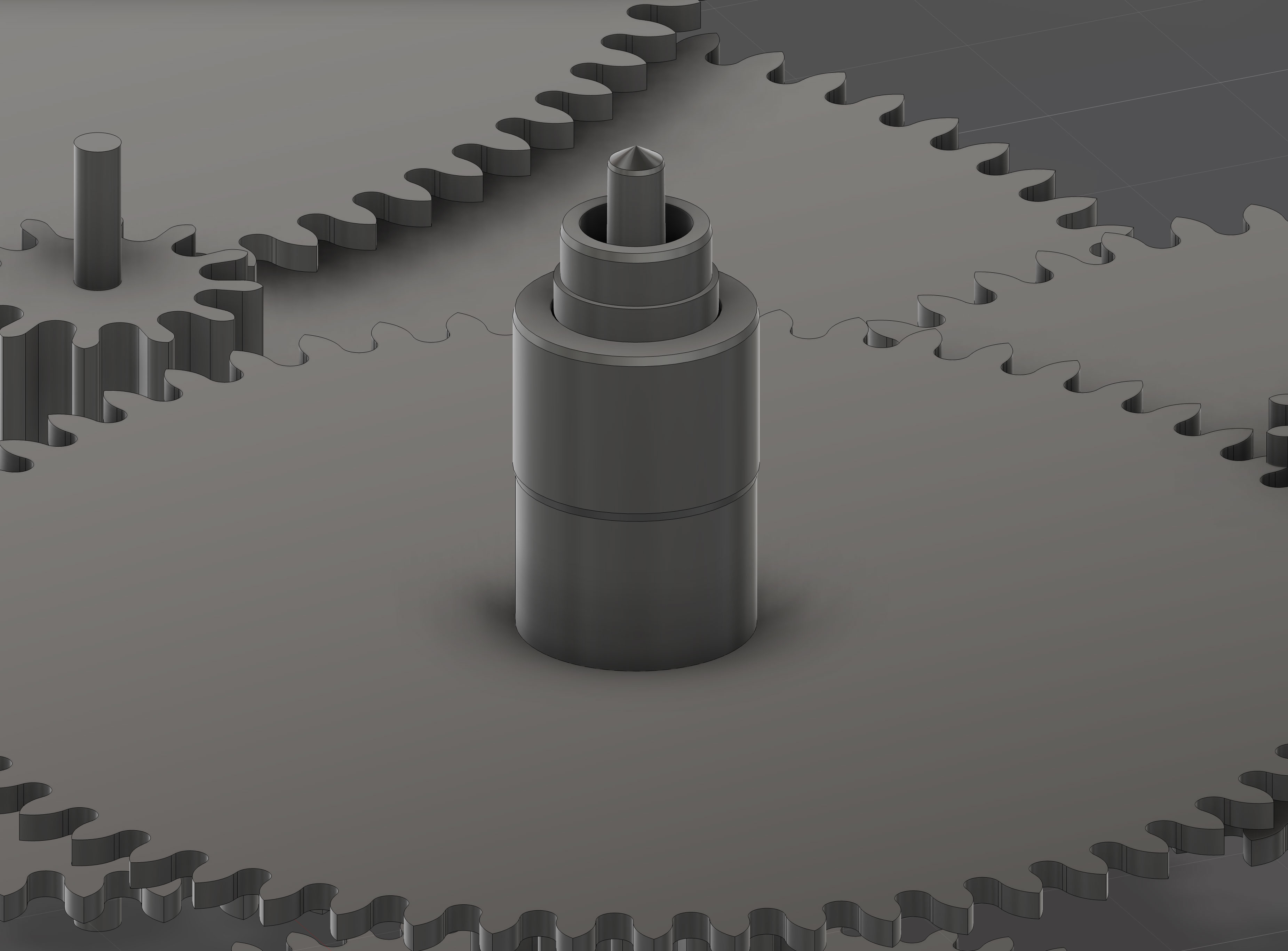
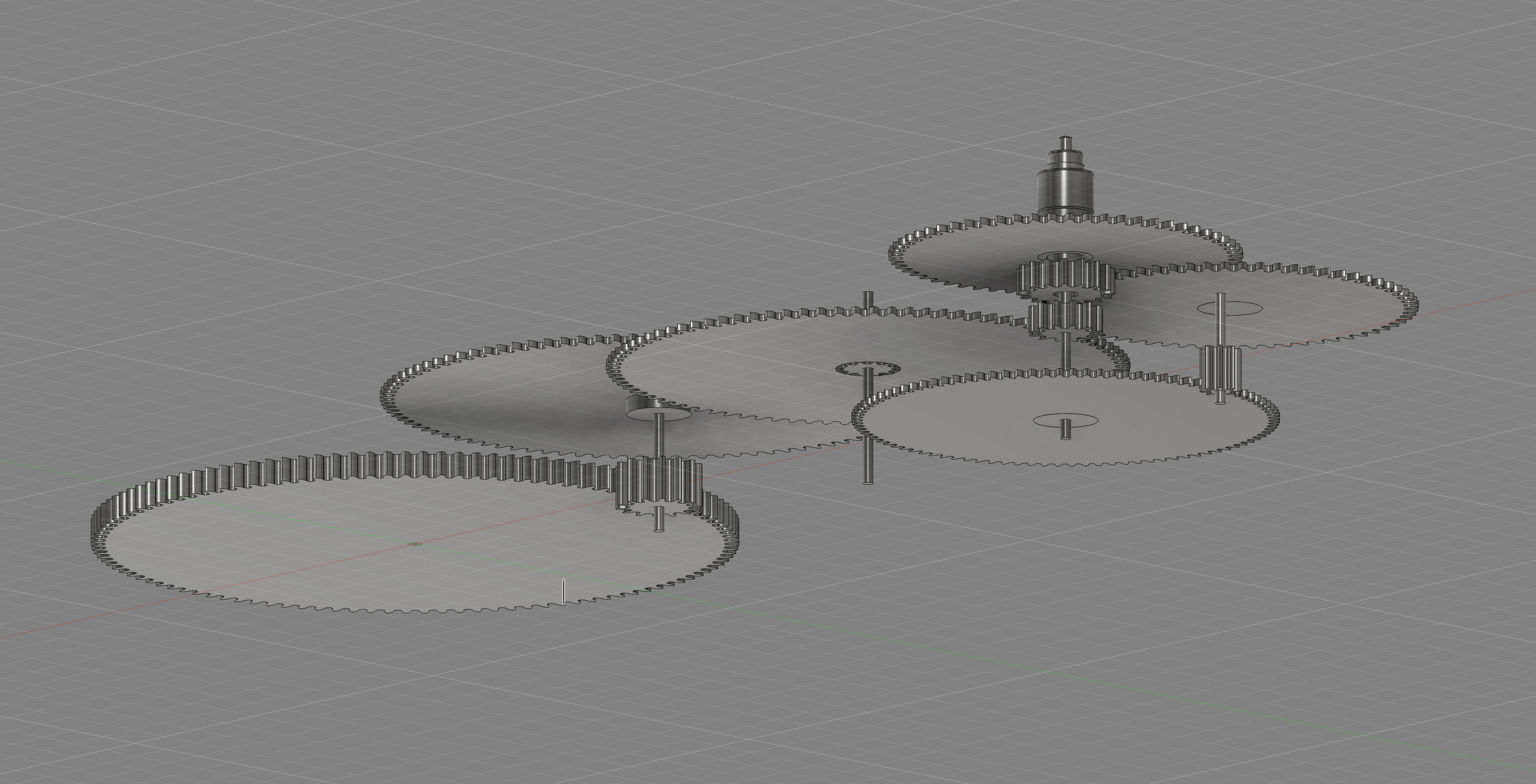
Big milestone today—the script now spins up wheels, staffs, and a full mainspring barrel in one click, then drops rubies into custom holders like it’s dealing cards at Monte Carlo.

Materials snap into place too—brass for wheels, polished steel for staffs, deep-red ruby jewels, and a flash of blued steel where it counts—so the CAD preview already looks heat-blued and bench-ready.

The real magic? A tidy joint system that lets me dial each rotation until the whole train lines up in picture-perfect symmetry. I also reworked the clearances between wheels so the bridges drop in clean and pick up those sweet 0.07 mm chamfers without a fuss. Watching it lock in is pure watch-nerd bliss.

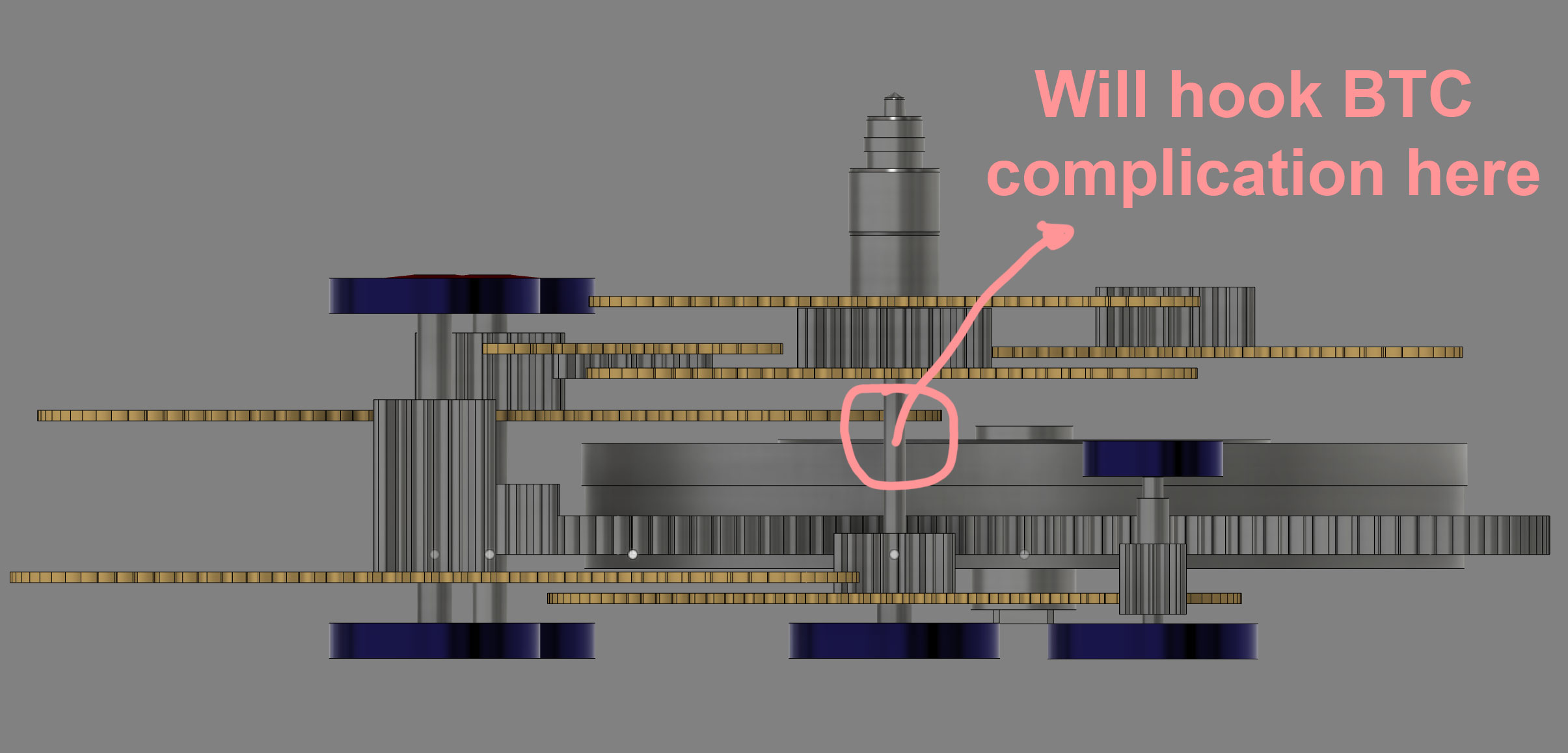
Bonus win: after some head-scratching I finally found the sweet spot for the Bitcoin 10-minute complication—a pinion driving a wheel that meshes with an inner gear. Woah, can’t wait to see that block-time tick! ₿

Next up: diving into milling fully-sintered carbide bits shaped to match each tooth profile—turning pixels into cutting edges one micron at a time. Stay tuned! 🛠️⌚️

sketch sketch

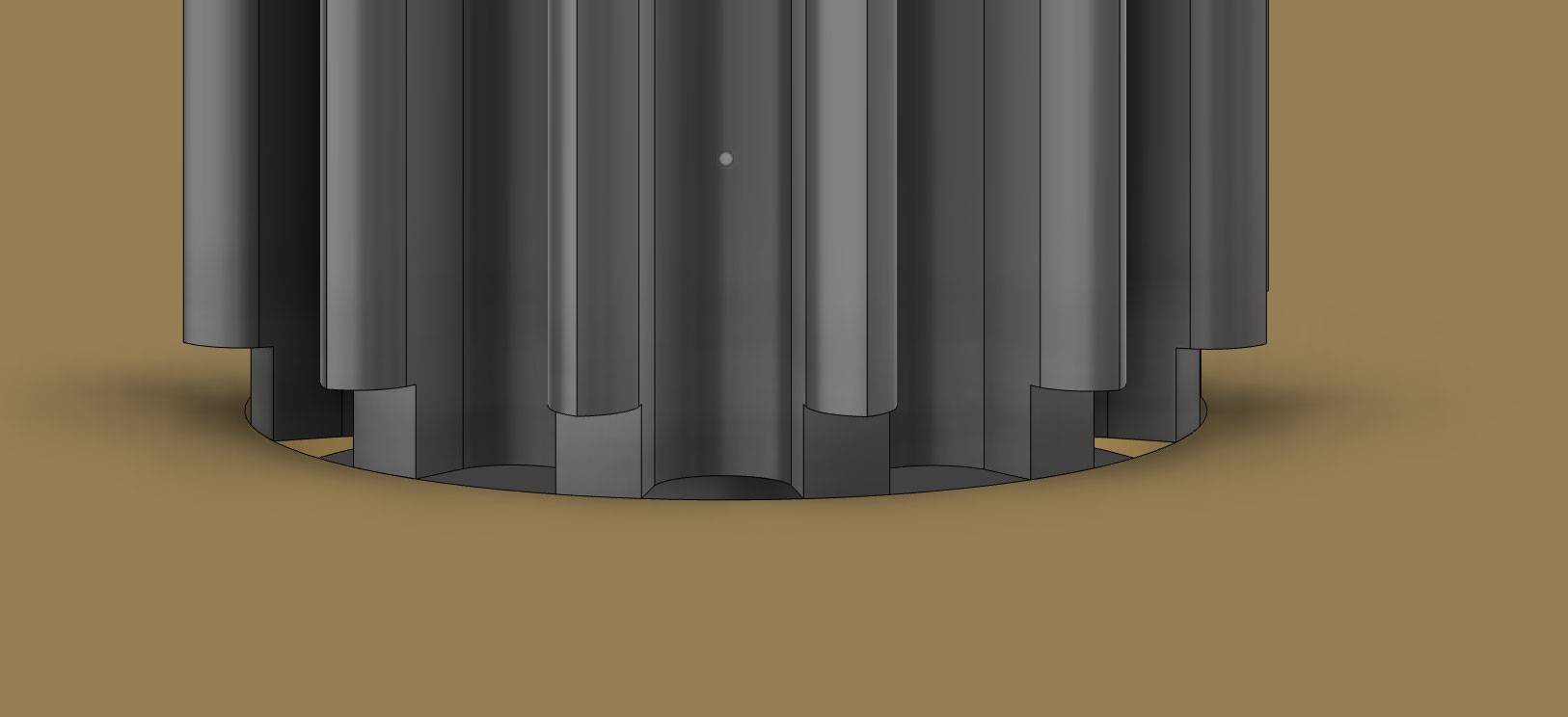
Script also adds the cuts so the wheel and pinion can be joined

sketch

Read standalone post

2025/07/03 20:08 UTC
TLDRI'm refining my watch design by choosing specific jewels for different parts: olive ring jewels with dual oil cups for the center and fourth wheel staffs, and a mix of olive/bombe and straight ring jewels for the escapement. I've also introduced a jewel holder, which will make maintenance easier and might allow for some cool material experiments like heat bluing. 🔧🔵
Show more Show less

Kept pushing the script forward — this thing’s growing fast.

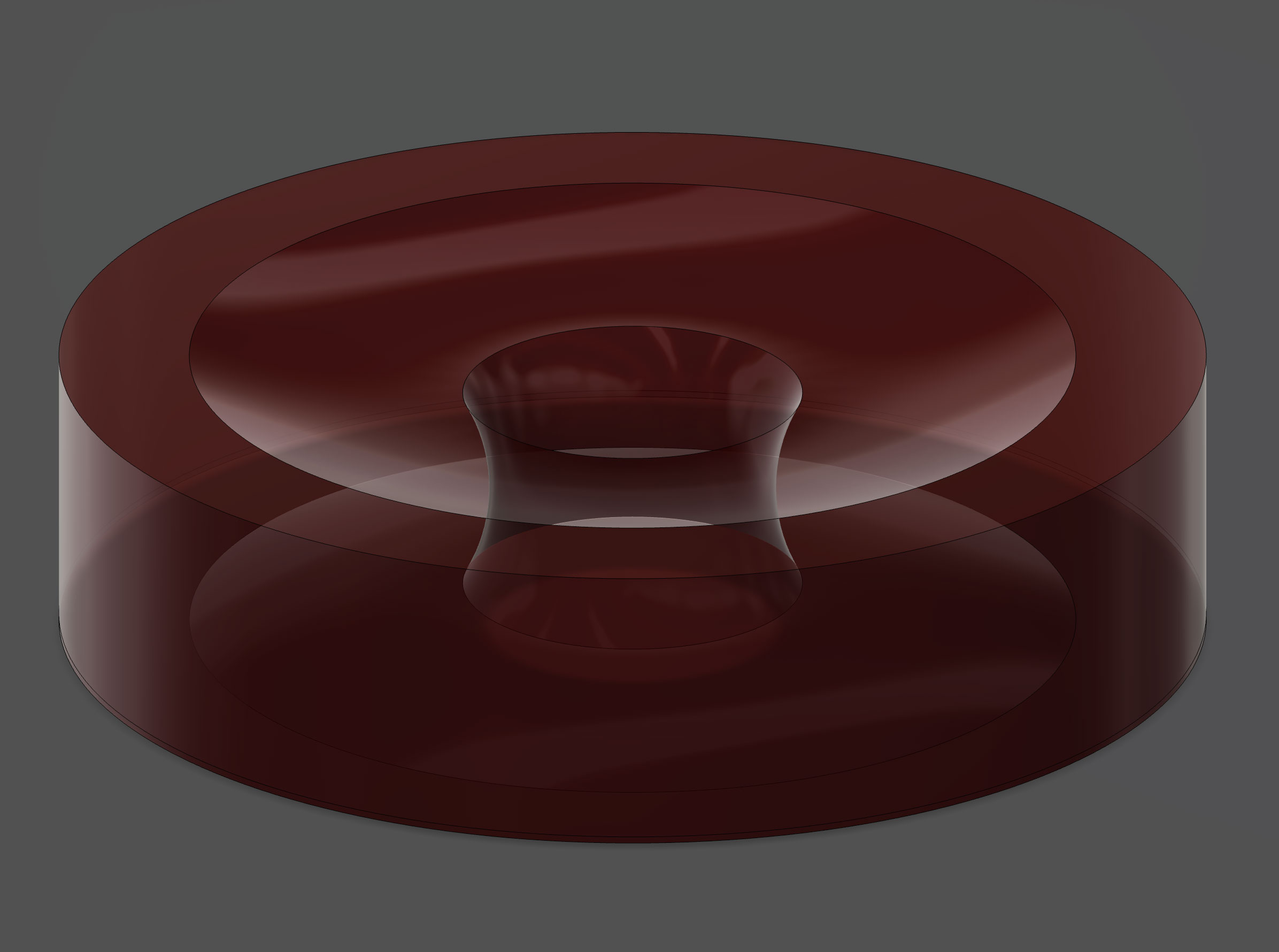
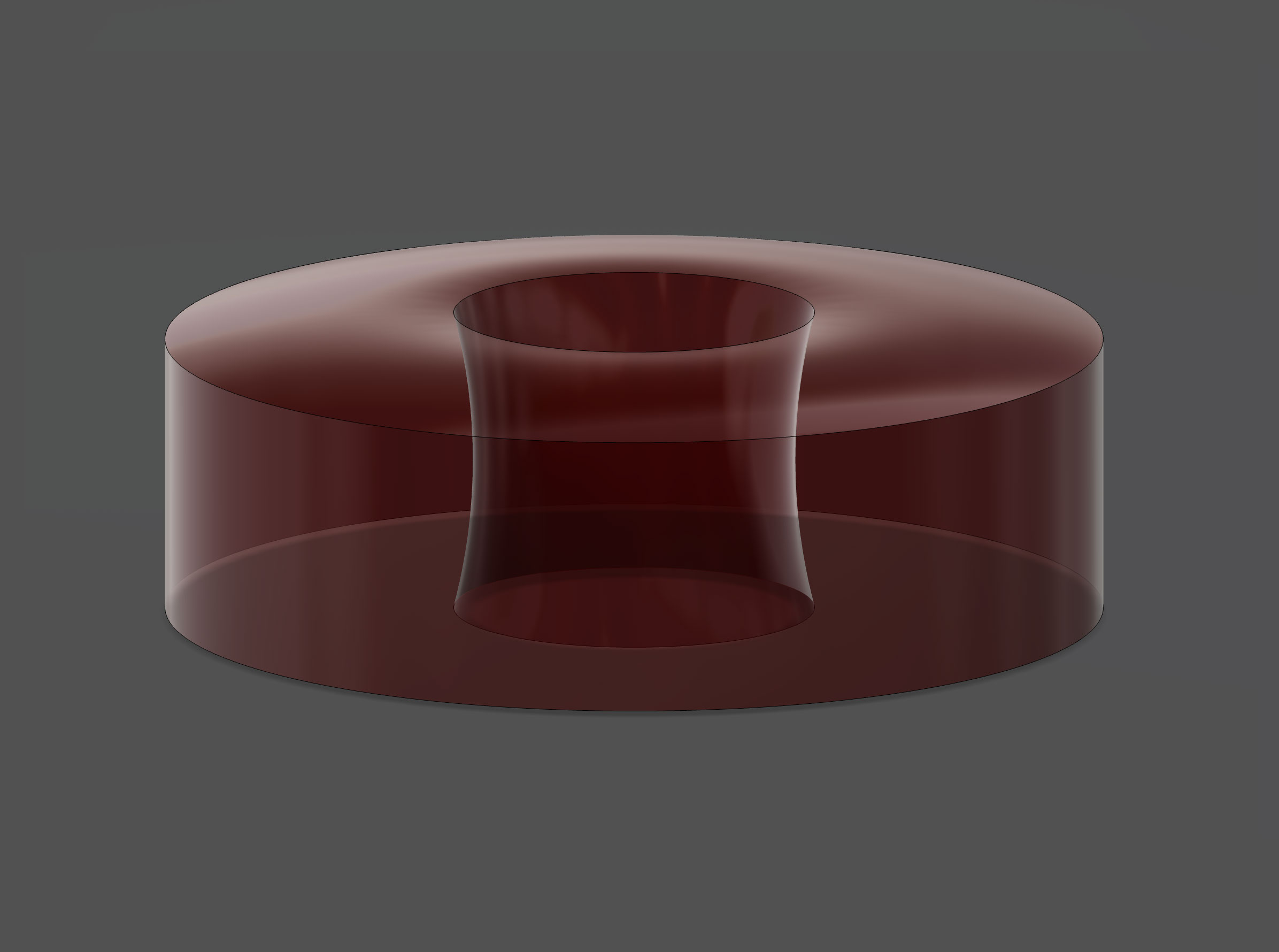
Settled on three jewel types. For the center and third wheel staffs, I’m using olive ring jewels with 2 oil cups on the bottom (dial side), and olive/bombe ring jewels on top (plate side).

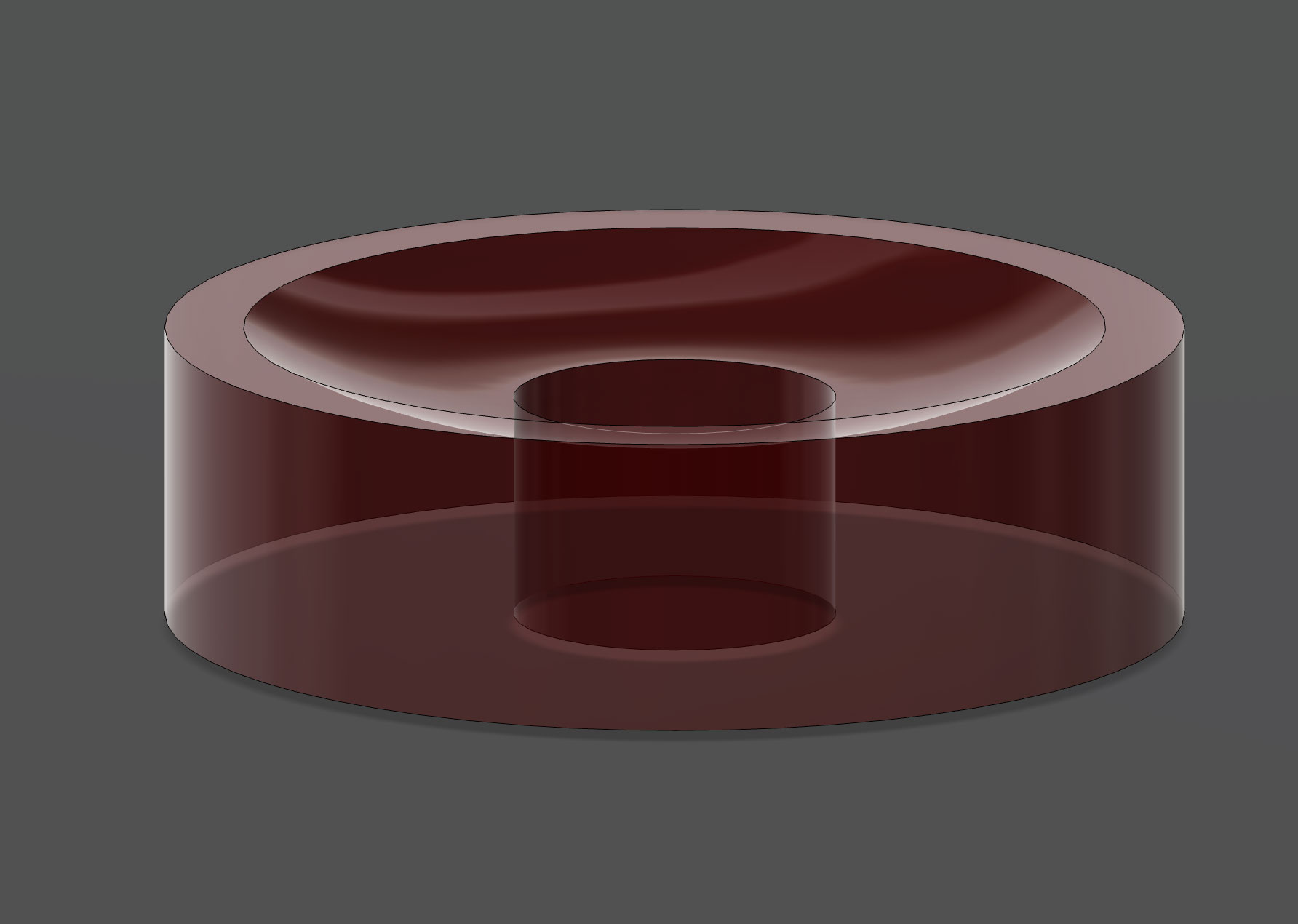
Fourth wheel gets the same: olive with 2 oil cups. For the escapement, I’m going with one oil cup olive jewel on the bottom and a straight ring jewel with oil cup facing the dial.

Also added a jewel holder to the mix. Makes future servicing easier 🔧 and gives me room to explore materials and maybe some heat bluing 🔵

sketch sketch

Olive ring jewel with 2 oil cups

sketch

Olive/Bombe ring jewels

sketch

Straight ring jewel with oil cup

sketch

Read standalone post

2025/07/02 20:42 UTC
TLDRRealized a tiny error in my calculations could throw everything off, so I went back to basics: recalculated gear ratios with AI's help and aligned everything to NIHS standards. Now, it’s precise and ready for the next steps, like adding Bitcoin features and jewel positions, one careful step at a time. 🛠️📐
Show more Show less

Rushed ahead a bit... then realized the numbers weren’t lining up. Even the tiniest error matters here.

So I paused. Took a step back. Recalculated everything 🔍

Wrote a script — with a little help from AI 🤖 — to find the exact gear ratios I need. No guessing. Just clean math.

Then came the drawing script, built to match those ratios and follow NIHS standards to the dot 📐

Now it feels solid. Precise. On track.

I’ll keep building on this — adding the Bitcoin complication ⛓️, jewel positions 💎, and initial bridges. One step at a time.

sketch sketch sketch

Read standalone post

2025/06/18 19:44 UTC
TLDRYour lathe is finally set up and ready to work after a lot of trial and error, including rebuilding it from the ground up due to some serious manufacturer issues like vibrations and bad software. You’ve now got a solid tool setup and tackled a steep learning curve with electronics, thanks in part to some crucial help from Alexis. Next up: refining your machining skills and creating some intricate mechanical art. 🎨🛠️
Show more Show less

After weeks of learning, mistakes, and exciting breakthroughs — the lathe is finally good to go! 🛠️

I had to remake the backplate three times due to different layouts. The lathe's travel is limited, so I had to get creative. But now it’s dialed in and solid.

⚠️ Manufacturer Woes (Mucho NO recommendo)

To be honest — the manufacturer did a terrible job on this lathe. It came with:

  • Insane vibrations
  • Super loud noise during operation
  • Broken and unconfigurable software
  • Default tool change macro that literally caused a collision 😤

That mess sent me down the rabbit hole of rewiring, reprogramming, and rebuilding much of the system from scratch. Painful… but I now know the machine inside out!

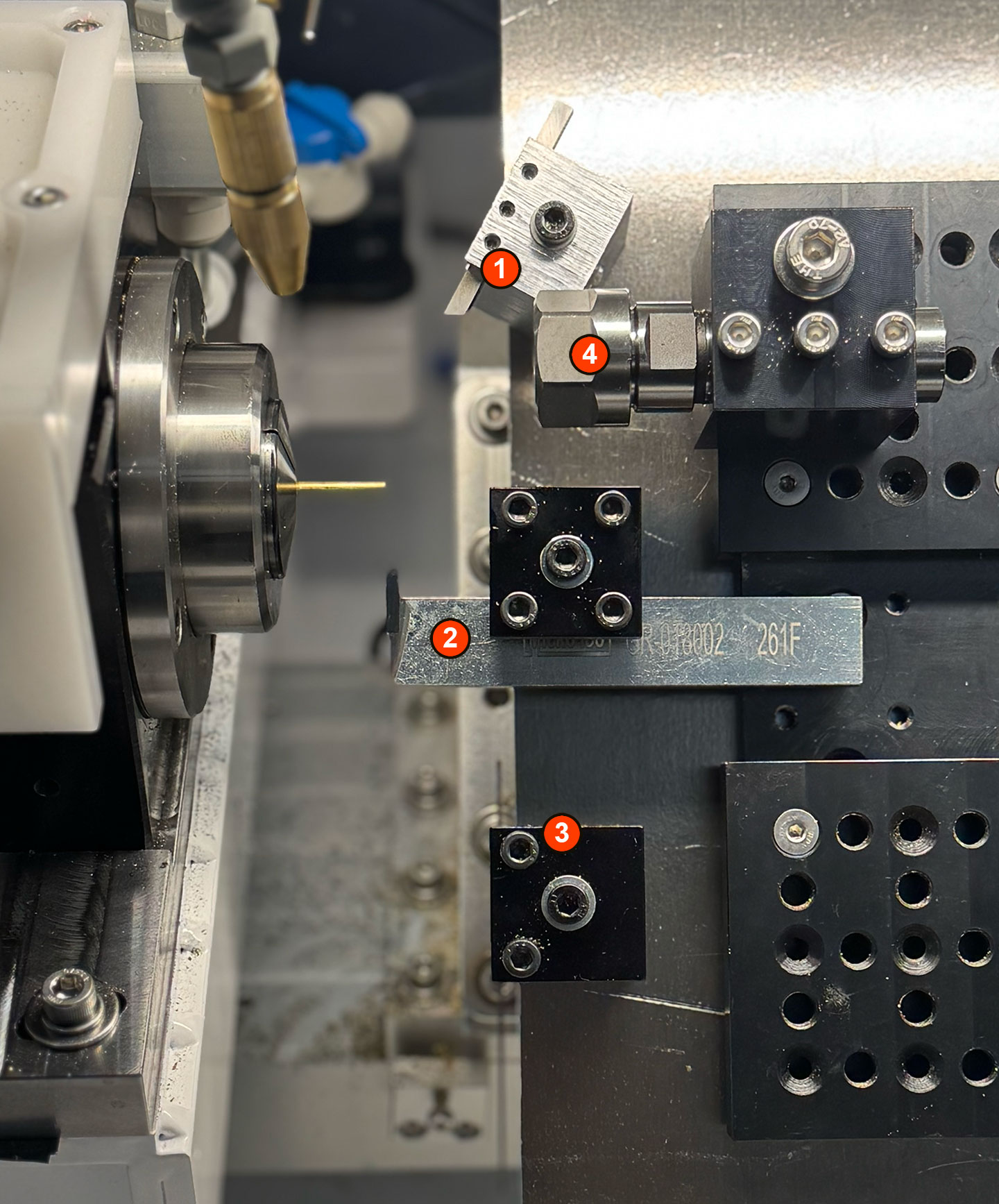
lathe setup

🔩 Current Tool Setup (4 Tools)

  1. HSS Cutting Tool — hand-ground by me at a 45° angle. My first toolmaking experiment!
  2. Micro 100 Grooving Tool — fantastic for tight grooves and channeling.
  3. Cutout Tool — great for partying shapes with high precision.
  4. Drill Fixture — holds fixed drills securely for consistent center holes.

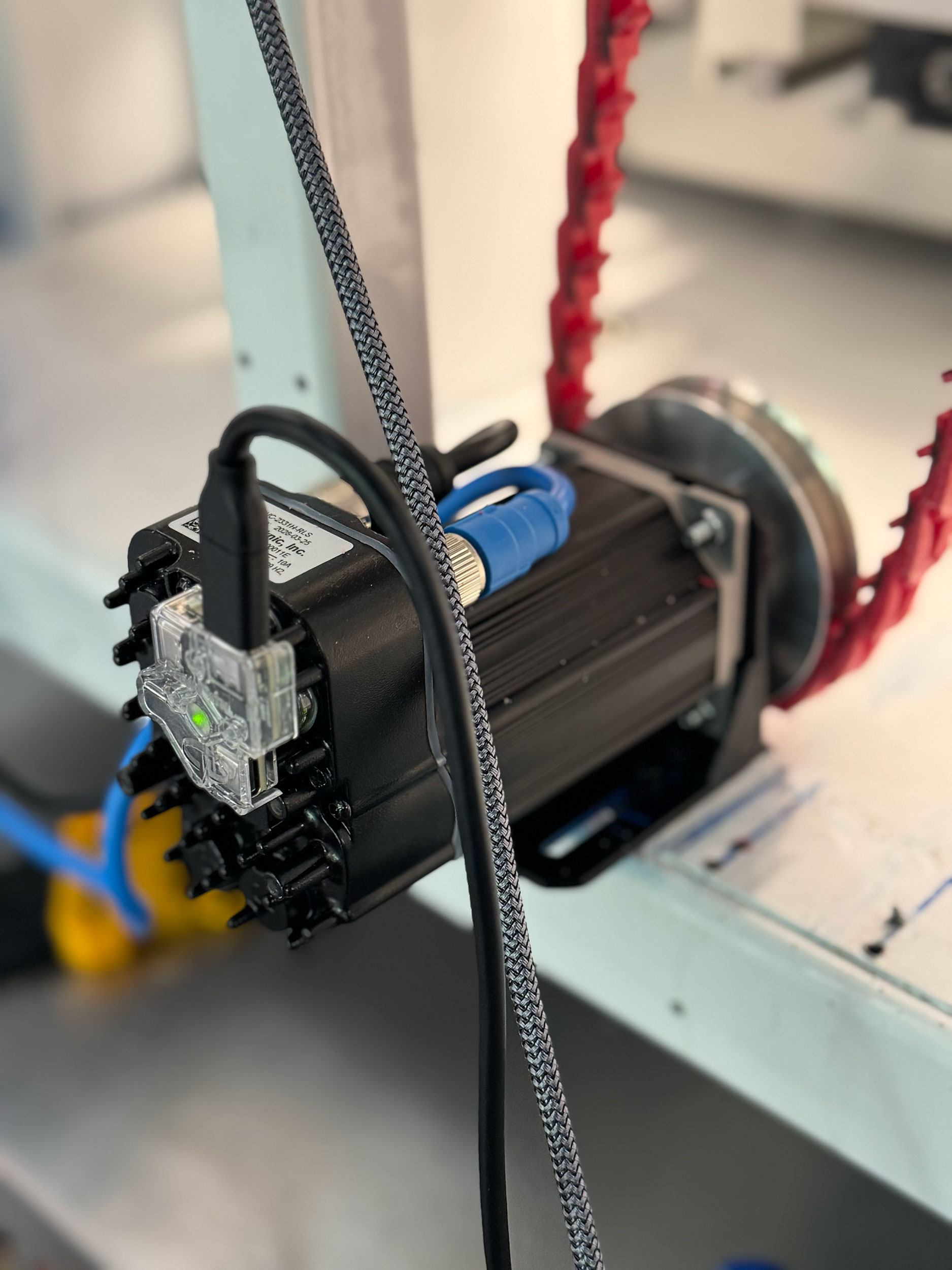
⚙️ Motor: The Real Challenge

motor setup

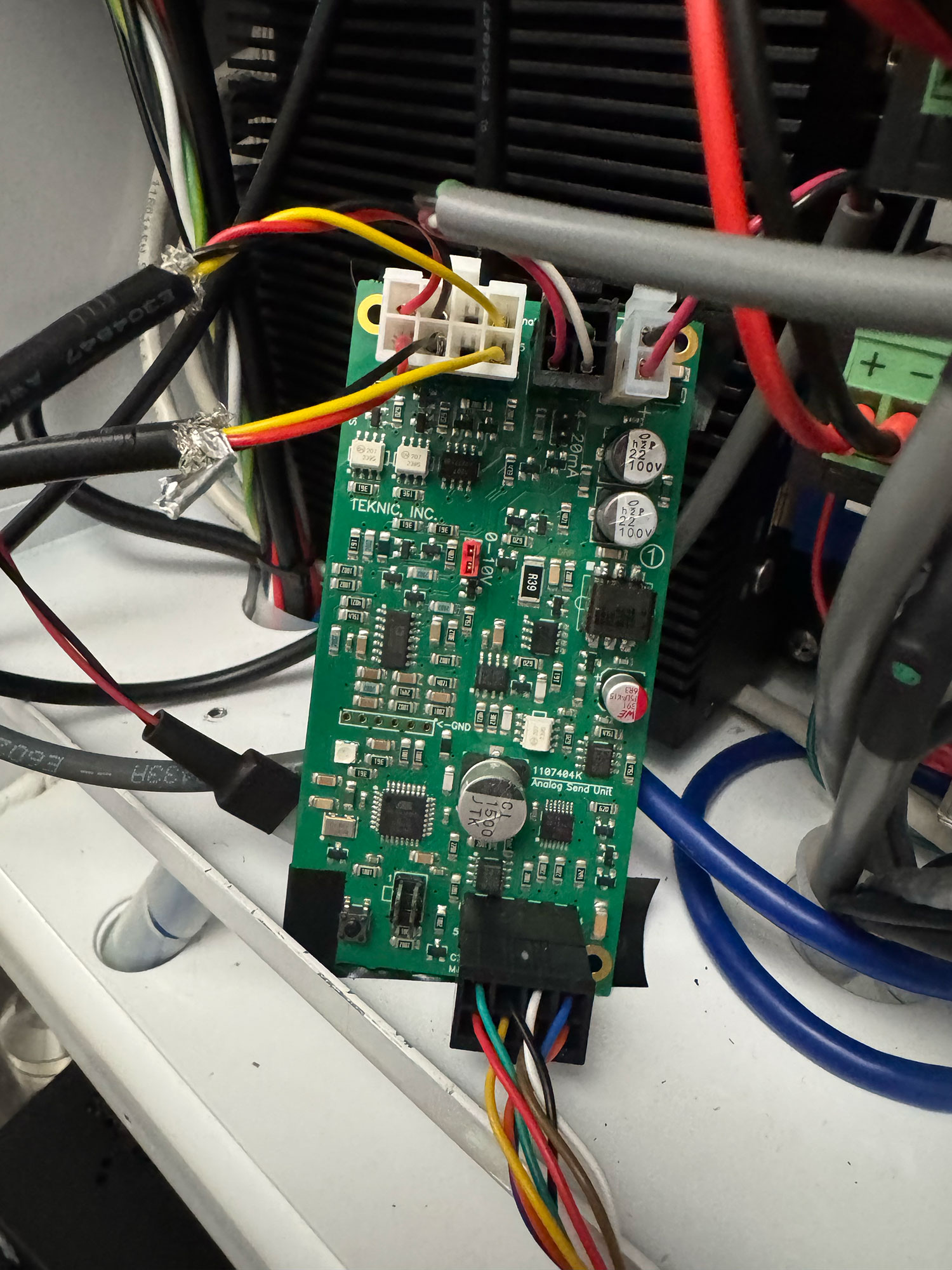
The motor was the trickiest part. I used a Teknic ClearPath Integrated Servo Motor, paired with a power supply, analog send unit, and 22 AWG cables. I’ve never worked with electronics before — so learning to use a multimeter, solder, crimp, and protect everything properly was a major win.

wiring setup

Big thanks to Alexis — couldn’t have done this without his help! 🙏

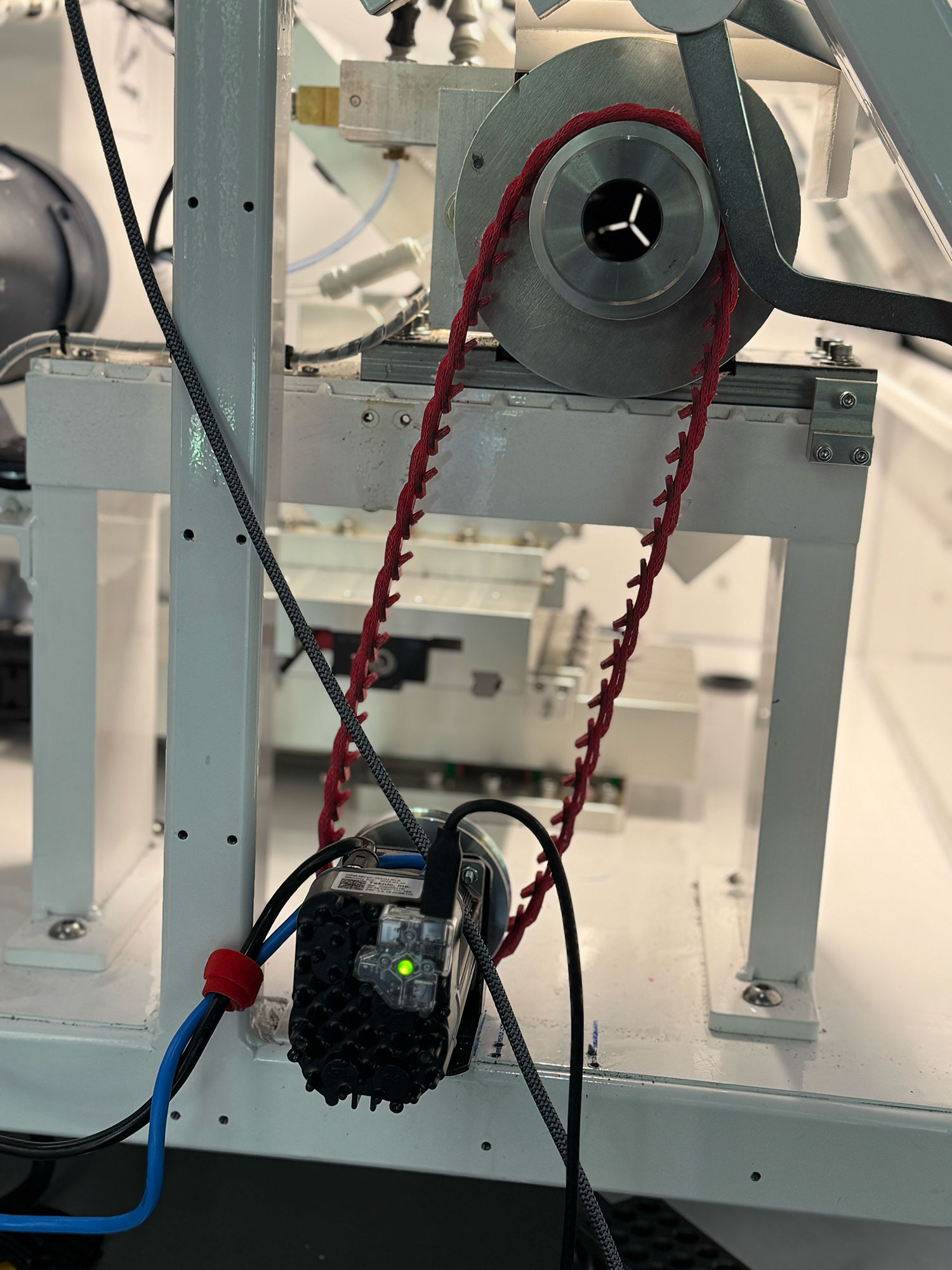
🌀 Spindle & Drive

I went with a Power Twist V-belt. Pulleys are almost 1:1, and even though there’s some drop in RPM (from 2520 to 2320), it feels solid and precise so far.

belt setup

✅ Past Weeks Recap

  • Polished the keyless works, winding mechanism, bridges, and barrel arbor
  • Aligned the Elara 4th axis to within 0.01°
  • 3D printed the case, revised leg length to avoid scratches
  • Built a new brass fixture for 3.0mm stock (no more Loctite hacks!)
  • Achieved 2μm precision in XYZ on the Elara mill
  • Got replies from Incabloc and updated the balance staff accordingly
  • Started grinding my own lathe tools from HSS bar stock
  • Published all blog updates via Nostr — auto-summarized with ChatGPT

🔮 What’s Next?

  • Finish the balance staff with final jewel specs
  • Cut, test, and compare Micro 100 vs HSS tools
  • Design and fabricate the elusive crown gears
  • Improve pulley ratios and optimize RPM at the spindle
  • Figure out how to secure the movement inside the case
  • Start polishing and finishing parts for real assembly!

Super excited for what’s coming! Let’s make some beautiful, tiny mechanical art 🌀✨

Read standalone post

2025/06/16 15:52 UTC
TLDRBig updates on the site: you can now react to posts for quick feedback, share posts easily with new permalinks, and enjoy Smart Summaries that automatically condense posts with ChatGPT and post to Nostr. The goal? More streamlined, connected interactions for everyone. ⚡
Show more Show less

Website Updates: Reactions, Permalinks, and Smart Summaries ⚡

Some exciting updates to the site this week!

  • 🔁 Reactions: You can now react to blog posts — quick way to share a vibe or show support!
  • 🔗 Permalinks: Each post now has a clean permalink. Sharing specific moments just got easier.
  • 🤖 Smart Summaries + Nostr: We’ve added an automated system that uses ChatGPT to summarize each blog post and auto-publish it to Nostr. No more double posting!

Bit by bit, the site is getting more connected and streamlined. Watchmaking meets automation ✨

Read standalone post

2025/06/14 03:17 UTC
TLDRI'm testing out Micro 100's carbide tools to see if they outlast HSS tools, especially in micro-scale work. I'm using their BT-6, PF5-050150, GR-018002, and T-100 tools for precise turning and grooving tasks in tight spaces. If they deliver cleaner finishes and durability, they'll be a game-changer for detailed lathe work. 🛠️
Show more Show less

Trying Out Micro 100 Tools 🛠️

I've noticed that HSS tools wear out quite fast, especially at the micro scale. So, I’m giving Micro 100 a go — excited to test their high-quality carbide tooling for turning.

Here’s what I’m trying:

  • BT-6 (Box Tool): Ideal for creating accurate shoulders and flat faces in confined areas. Great for tight workspaces and forming box-like geometries.
  • PF5-050150 (Profiling Tool): A fine profiling tool with a 0.5mm radius, perfect for tiny contours and detailed turning operations.
  • GR-018002 (Grooving Tool): Designed for making ultra-fine grooves — this one's got a 0.018" width. Precise, clean groove cuts!
  • T-100 (Cutoff Tool): A solid carbide tool for parting off tiny components. Rigid and sharp — ideal for micro-scale cutoff tasks.

Hopefully, these will hold up better than HSS and bring cleaner finishes to the lathe work. Time (and testing) will tell!

Read standalone post

2025/06/11 20:56 UTC
TLDRIn this blog, the writer shares their journey of honing precision in machining by manually sharpening tools and learning from seasoned craftsmen online. They experienced the satisfaction of a beautiful finish on a balance staff, though intentionally left oversized to test control and resistance. Next steps involve fine-tuning machine settings to achieve greater repeatability and mastery, embracing the learning process along the way. 🛠️
Show more Show less

Sharpening, Turning, and Chasing Precision

This session was about slowing down and listening to the work.

I manually sharpened my HSS tools using both India and Arkansas stones. No machines. Just me, the edge, and the feeling of steel against stone.

To confirm cutting direction, I studied the old masters — especially T&T&T’s YouTube videos. Watching their moves, the angles, the confidence — that gave me clues I couldn’t learn from CAD or cam simulators.

With my newly sharpened tools, I cut half of a balance staff. The finish? Beautiful. The dimensions? Still oversized — I left too much material. But that was the plan: test control, feel resistance, and watch the chips curl cleanly.

What’s next? I need to dial in G54 more precisely, and set tighter offsets for tool 2+ on my gang-style lathe. That’s the only way to achieve the repeatability and control I’m after.

Every small improvement feels like a step toward mastery — and I’m still happy to fail along the way.

Read standalone post

2025/06/10 18:56 UTC
TLDRHere's the scoop: While setting up a gang-style tool system with Mach4 and Fusion 360, I hit a snag where Mach4 didn't update the Y-offset immediately after a tool change, leading to misalignments. My fix? A custom macro, M200, ensures the Y-offset is correctly applied by temporarily adjusting the Z-axis, then moving Y to zero, and restoring Z. This tweak turned a potential headache into a smooth workflow, reminding me that overcoming quirks teaches more than smooth sailing ever could. 🛠️
Show more Show less

Learning, Trying, Failing… but Happy

This week, I hit an unexpected behavior while setting up my gang-style tool system with Mach4 and Fusion 360.

Here’s the layout:

  • Tool 1 is positioned manually and sets G54.
  • Tool 2 and beyond use XYZ offsets relative to Tool 1.
  • Fusion 360 doesn’t emit Y moves for tool changes in lathe ops — it assumes only XZ movement.

So far, so good... until I discovered this 🤯:

After a tool change using M6, running G0 Y0 still uses the previous tool’s Y offset!

What I mean is this: (M6 macro)

mc.mcToolSetCurrent(inst, selectedTool)
mc.mcCntlGcodeExecuteWait(inst, "G0 Y0") 👈 This uses the previousTool YOffset!!! ⚠️ 🤯

This happens because M6 internally calls setCurrentTool, but Mach4 doesn't apply the Y-offset until after the macro finishes. That means if you issue any move (like G0 Y0) immediately after M6, you’re still running with the old offset. Yikes.

My solution: I created a custom macro: M200.

So then, I modified Fusion 360’s Mach4 Turning Postprocessor to call M200 immediately after each M6 command.

how you may be wondering, well like this: (this is in the mach4-turning postprocessor downloaded from Autodesk website)

function onSection() {
...
 if (insertToolCall) {
...
    writeToolBlock("T" ...)
    writeBlock("M200"); // 👈 Inserted this

And M200 looks like this:

local initialZ = mc.mcAxisGetPos(inst, mc.Z_AXIS)
local safeZ = 5.0
mc.mcCntlGcodeExecuteWait(inst, string.format("G0 Z%.4f", safeZ))
mc.mcCntlGcodeExecuteWait(inst, "G0 Y0") // ✅ now it works
mc.mcCntlGcodeExecuteWait(inst, string.format("G0 Z%.4f", initialZ))

It does three things:

  • Moves Z up 5mm
  • Moves Y to 0 (now under the correct tool offset)
  • Restores Z

Now every tool change is reliable and precise — no more misaligned cuts or offset confusion. It’s a small fix, but one that makes the difference between frustration and confidence on the lathe.

Mach4's quirks taught me a lot this week — and solving them made me enjoy the process even more.

Read standalone post

2025/06/06 11:28 UTC
TLDRJust generated my first G-code for a balance staff using Fusion 360, though I’m not sure it’ll work since the staff is incredibly tiny. Still, it's thrilling to be making progress in such a precise and patient craft. 🔍 Check out the journey with a video update on my blog!
Show more Show less

Balance Staff G-Code: First Try!

Today I added the tool to the Fusion 360 library and generated my first G-code for the balance staff.

No idea if it’ll actually work — the staff is incredibly tiny — but still, it’s super exciting to be taking these steps forward!

Every day feels like a leap into precision and patience 🔍

Read standalone post

2025/06/05 20:22 UTC
TLDRJust built a gang-style tool holder for my lathe using a Jet-12 drill press, mixing manual drilling and CNC milling for precision. This setup is perfect for quick tool swaps, boosting efficiency in my watchmaking projects. If you're into DIY tooling or just love practical shop solutions, check out the full process in my YouTube video! 🎥
Show more Show less

🔩 Building a Gang-Style Tool Holder with the Jet-12 Drill Press

Hey everyone! 👋 Just wrapped up a fun and super practical project: I made a custom gang-style tool holder for my lathe using the trusty Jet-12 drill press 🛠️.

And made a youtube video about it!

The idea was simple: take a solid aluminum base (of 6061) and add four holes — three threaded, one milled — to hold different lathe tools in place. Perfect for quick swaps and consistent positioning 💡.

sketch

Using the Jet-12, I drilled the holes manually 🌀 and then tapped three of them for screws 🔩. The fourth hole? I milled it with G-code on my CNC for precise dimensions. Mixing manual and CNC machining is always a fun combo — and it worked great! 😎

The result is a simple but super useful gang-style holder that boosts efficiency and repeatability, especially for small precision parts like the ones I make for my watchmaking projects ⌚️.

If you’re into lathes, tooling setups, or just like geeking out over shop-made solutions, I think you’ll enjoy the process. I’ve got a video showing everything — check it out! 🎥👇

Stay sharp and keep building cool stuff! 💪⚙️

👉 https://tbw.watch

Read standalone post

NOSTR:

npub1nvhq9vgkpahlugwcf3jsnpaq5lj3w3rk6lknnvf9r8h8ft2ja2asaqcn2a
Copyright 2025 The bitcoin watchmaker